By Shinfly.org
There is something quietly poetic about a sparrow. Not majestic like an eagle, not flamboyant like a parrot—yet deeply woven into the everyday rhythm of human life. The gentle chirping at dawn, the quick flutter near windows, the tiny nests tucked into forgotten corners—sparrows have been our unnoticed companions for centuries.
And yet, their silence today is louder than ever.
What is World Sparrow Day?
Every year on March 20, the world observes World Sparrow Day, an initiative started by the Nature Forever Society in collaboration with the Eco-Sys Action Foundation.
The purpose is simple, yet profound:
to remind humanity that even the smallest species deserve attention, protection, and coexistence.
It is not just a “day for birds.” It is a mirror held up to human progress—asking a quiet but uncomfortable question:
What did we lose while building our cities?
The Sparrow: More Than Just a Bird
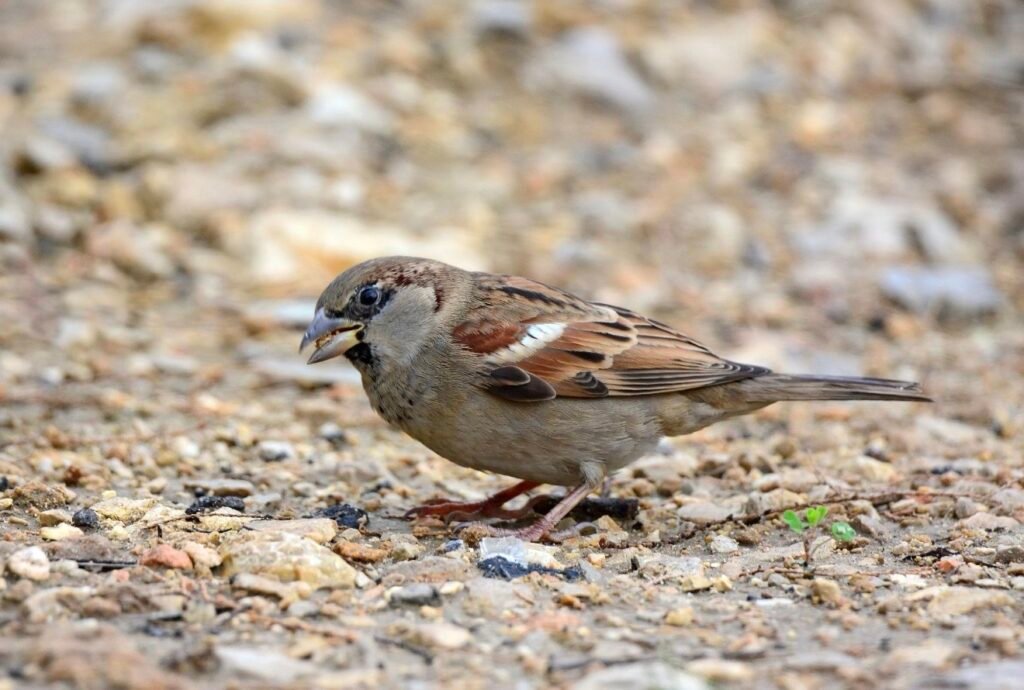
The most familiar species, the House Sparrow (Passer domesticus), once thrived across cities, villages, and farms. It adapted effortlessly to human life—feeding on grains, nesting in roofs, and raising generations alongside us.
But sparrows are not just birds; they are ecological indicators.
Their presence signals a balanced, breathable environment.
Where sparrows thrive:
Air quality tends to be healthier Insect populations are naturally regulated Urban biodiversity remains intact
Where they disappear, imbalance quietly begins.
Why Are Sparrows Disappearing?
This is not a mystery—it is a pattern.
Modern urban life, while convenient for humans, has unintentionally created a hostile world for sparrows.
1. Loss of Nesting Spaces
Glass buildings, sealed walls, and modern architecture have eliminated the tiny crevices sparrows depend on.
2. Food Scarcity
Processed lifestyles mean fewer grains scattered, fewer insects available due to pesticides.
3. Pollution & Noise
Air pollution affects respiratory health, while constant noise disrupts their communication.
4. Radiation (A debated but evolving area)
Some studies suggest electromagnetic radiation may impact navigation and reproduction. This remains a working hypothesis, not a confirmed universal cause—but worth continued scientific attention.
The decline is not dramatic like extinction headlines.
It is subtle. Gradual. Almost invisible—until one day, the silence feels permanent.
Why Sparrows Matter—Especially for Us
For many of us, sparrows are not just ecological entities—they are emotional anchors.
They represent:
Childhood mornings Simplicity of life Coexistence without effort
In psychological terms, they contribute to what we may call “ambient emotional comfort”—small, repetitive sensory experiences that quietly regulate our mood.
Their disappearance is not just environmental loss; it is cultural and emotional erosion.
What Can We Do? (The Shinfly Way)
Conservation does not always require large movements.
Sometimes, it begins with a balcony.
1. Create Nesting Spaces
Install small bird houses or clay pots in quiet corners.
2. Offer Food
Simple grains like बाजरा (millet), rice, and broken wheat can sustain them.
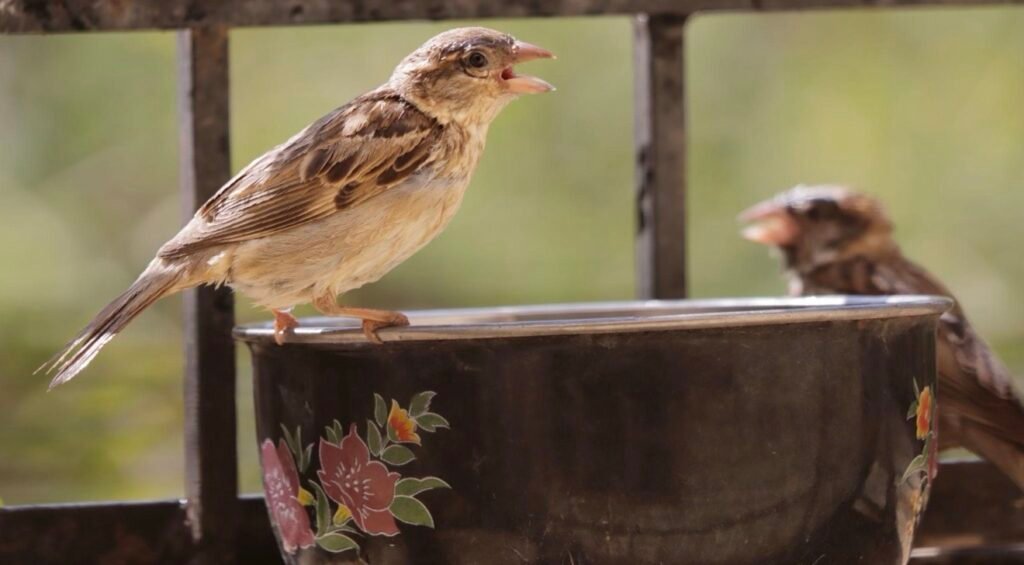
3. Keep Water Bowls
Especially in Indian summers, this becomes life-saving.
4. Avoid Chemicals
Limit pesticide use in home gardens.
5. Build Awareness
Teach children—not through fear, but through connection.
Because conservation that is forced fades.
Conservation that is felt, sustains.
A Thought to Carry Forward
The sparrow does not ask for forests.
It asks for space in our world.
In a time where technology is advancing faster than empathy,
perhaps saving the sparrow is not about the bird alone.
It is about remembering how to coexist.
Shinfly Reflection
At Shinfly.org, we believe that responsible bird care does not start with ownership—it starts with awareness.
Not every bird needs to be caged to be loved.
Some need to be protected in the wild, just as they are.
This World Sparrow Day, let us not just celebrate sparrows.
Let us make space for them—physically, emotionally, and consciously.
Because sometimes, the smallest wings carry the biggest truths.